
 by
by 
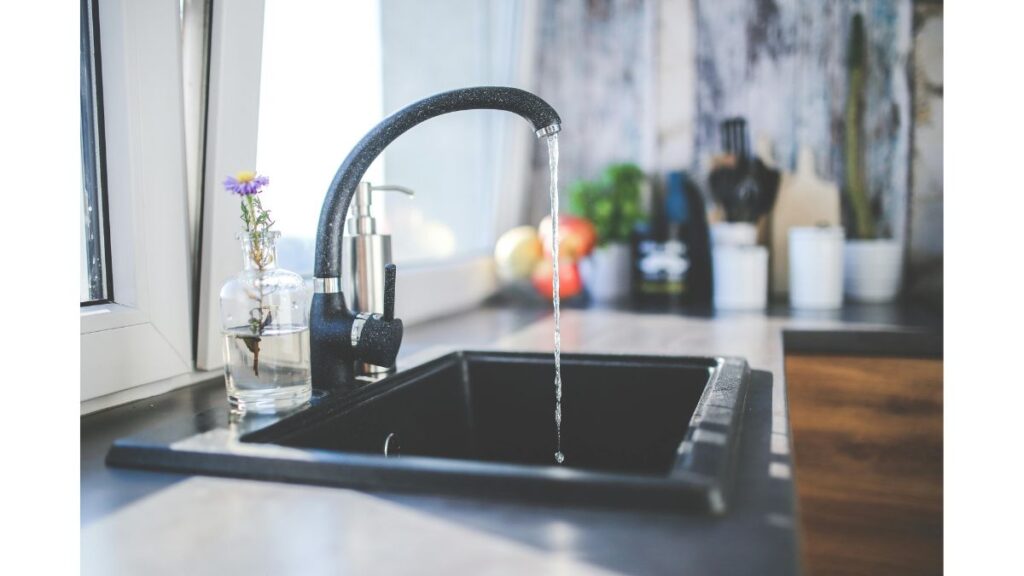
New standards, stricter rules, and updated treatment requirements can improve water safety on paper. But what actually reaches the tap still depends on infrastructure, enforcement, distribution systems, premise plumbing, and how well policy survives contact with real-world conditions. That is why safer water in theory does not always mean safer water in practice.
Public discussion often treats drinking water safety as if it begins and ends with regulation. A rule changes. A standard is tightened. A utility issues a compliance update. From a distance, that can sound like the problem has been solved.
But households do not drink regulations. They drink what comes through a specific line, into a specific building, through a specific faucet, after water has already moved through a long chain of treatment, distribution, monitoring, and local plumbing conditions. That gap between policy design and household experience is where a lot of public misunderstanding begins.
Quick Take
| On paper | At the tap |
|---|---|
| A standard gets stricter | Implementation can still vary across systems |
| A utility meets treatment requirements | Distribution and building plumbing can still affect outcomes |
| A replacement plan is announced | Full system changes may take years |
| Monitoring rules exist | Sampling methods and timing still matter |
| Public messaging sounds reassuring | Residents may still distrust what reaches their home |
What “Safer on Paper” Usually Means
When officials say protections have improved, they are usually referring to one or more of the following:
- lower regulatory thresholds
- stronger testing requirements
- revised treatment expectations
- infrastructure replacement plans
- tighter compliance rules
- new federal or state guidance
Those changes matter. They can improve oversight, force upgrades, and push systems toward better performance. But they are still only part of the story.
Rules are not self-executing. A stronger framework only becomes meaningful if the system underneath it can actually deliver the result.
In many cases, “safer on paper” means stricter testing, lower action thresholds, and replacement mandates like EPA’s Lead and Copper Rule Improvements.
Where the Gap Opens
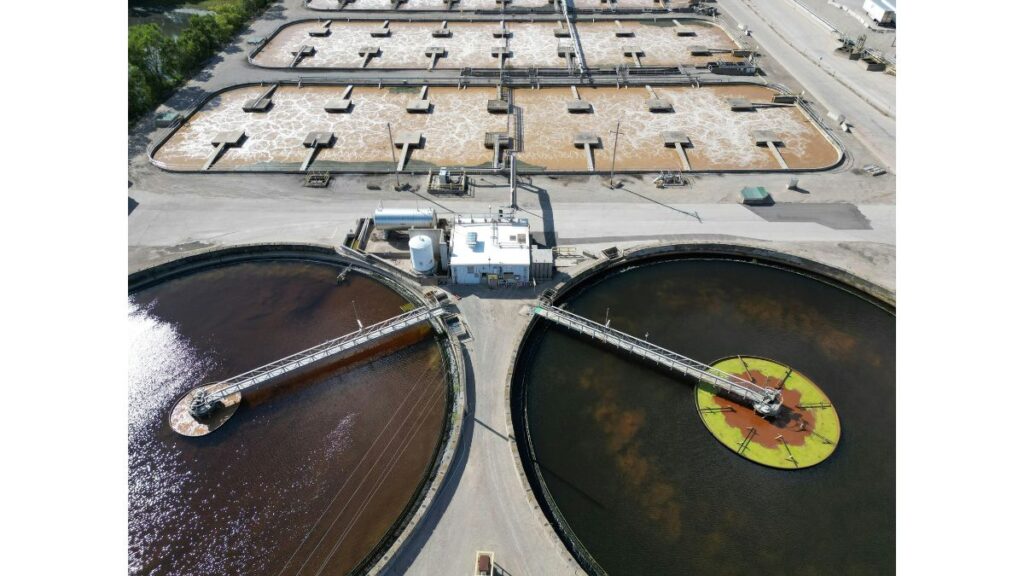
The public tends to think of water safety as a single point of control. In reality, it is a chain.
A household result can be shaped by:
- Source water conditions
What enters the system in the first place still matters. - Treatment performance
Utilities can improve quality dramatically, but treatment is only one stage. - Distribution infrastructure
Water has to move through mains, valves, storage systems, and service lines before it reaches a home. - Premise plumbing
What happens inside a building can differ from what happens at the treatment plant. - Monitoring and enforcement
Standards only matter if testing, reporting, and correction are taken seriously.
That chain explains why people can hear that standards improved and still feel uncertain about what comes out of their own faucet.
Why Standards Alone Do Not Resolve Household Risk
A policy change may improve the system overall without eliminating every household-level concern.
That does not mean the rule failed. It means the public often expects regulation to create instant uniformity in a system that is not uniform.
The scale of the underlying system also matters. Public water systems still face enormous long-term needs for pipe replacement, treatment upgrades, storage, and other core infrastructure, which means stronger standards still have to operate inside aging and uneven networks.
Some of the reasons include:
- old service lines that remain in place
- variation in local infrastructure age
- uneven replacement timelines
- building plumbing conditions
- delayed capital upgrades
- public confusion about what the rule actually covers
- weak trust after earlier failures
This is especially important in places where confidence has already been damaged. Once people believe they learned the truth too late in the past, future reassurances carry less weight.
The Distribution Problem
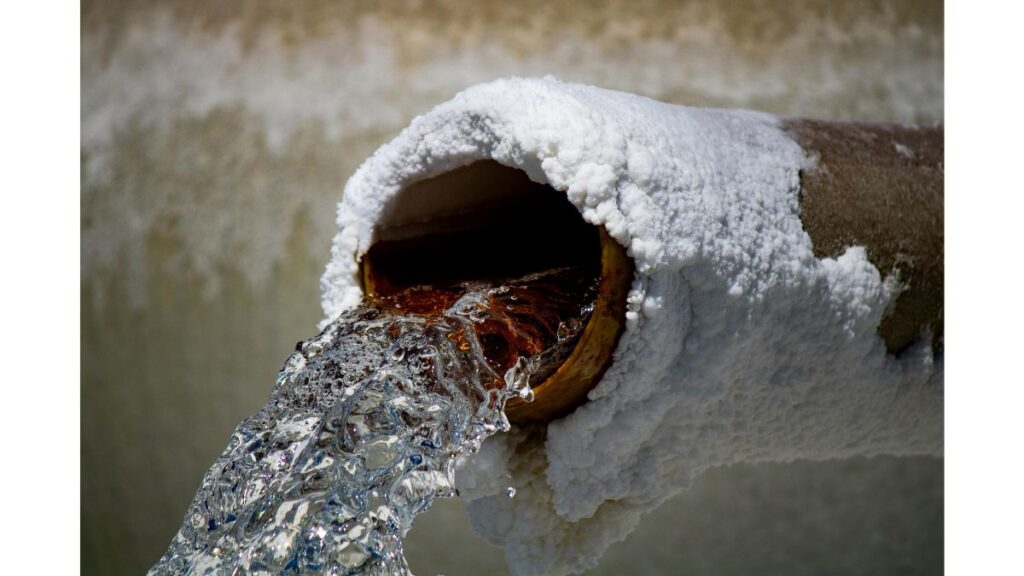
One of the biggest misunderstandings in public water discussion is the assumption that treatment equals delivery.
Treatment is the beginning of compliance, not the end of the household story.
Even when a utility is doing what it is supposed to do, water still has to travel through a real system. That means the condition of the network matters. So does the condition of the last stretch into the home. So does the plumbing inside the home itself.
In other words, a treatment plant can perform well and a household can still experience uncertainty for reasons the average press release never explains clearly.
That is one reason water trust collapses so quickly. The public often hears a system-level assurance while living a household-level experience.
What Public Coverage Often Misses
A lot of public reporting focuses on two moments:
- the announcement of a new rule
- the visible crisis when something goes wrong
What gets less attention is the middle period, when implementation is slow, uneven, technical, and hard to summarize.
That middle period includes:
- replacement schedules
- procurement delays
- infrastructure sequencing
- ratepayer pressure
- local administrative capacity
- inspection and reporting practices
- the practical limits of enforcement
Those implementation pressures are not evenly distributed. Vulnerable communities often face added difficulty managing long-term system stress and infrastructure risk, which means stronger rules on paper can still produce uneven results in practice.
None of that is dramatic. But that is where “safer on paper” either becomes real or starts to thin out.
Why This Matters for Households
For households, the issue is not whether stronger standards are good. They are.
The real question is more practical:
When should people trust the system, and when should they understand that a system-level improvement does not automatically answer every household-level concern?
That is where public communication often falls short. It tends to oscillate between reassurance and alarm, while skipping the more useful middle ground:
- standards can improve and still take time to work through
- utilities can comply and still face aging infrastructure constraints
- system-wide progress can coexist with location-specific uncertainty
- trust can lag behind compliance
That does not mean people should panic. It means they should understand the difference between policy progress and full household certainty.
Better Questions to Ask
Instead of asking only, “Did the rule change?” it helps to ask:
| Better question | Why it matters |
|---|---|
| What exactly changed? | Not all rule changes affect households the same way |
| How long will implementation take? | Timelines shape real-world benefit |
| What part of the system does the change address? | Treatment, testing, replacement, and enforcement are not interchangeable |
| Does the local system face infrastructure constraints? | Capacity affects outcomes |
| Could building plumbing still affect household results? | The last stretch matters |
The Bottom Line
Safer water on paper does matter. Better rules, stronger oversight, and improved standards are not meaningless. But they are not the same thing as instant household certainty.
What reaches the tap is shaped by a full system: treatment, distribution, infrastructure condition, implementation, enforcement, and the plumbing that sits between public policy and private use. That is why safer water in theory does not always feel safer in practice.
The public conversation would be better if it stopped treating rule changes as the final chapter. In most cases, they are the beginning of the harder part: making sure policy survives the trip from paper to pipe to faucet.

Leave a Reply