
 by
by 
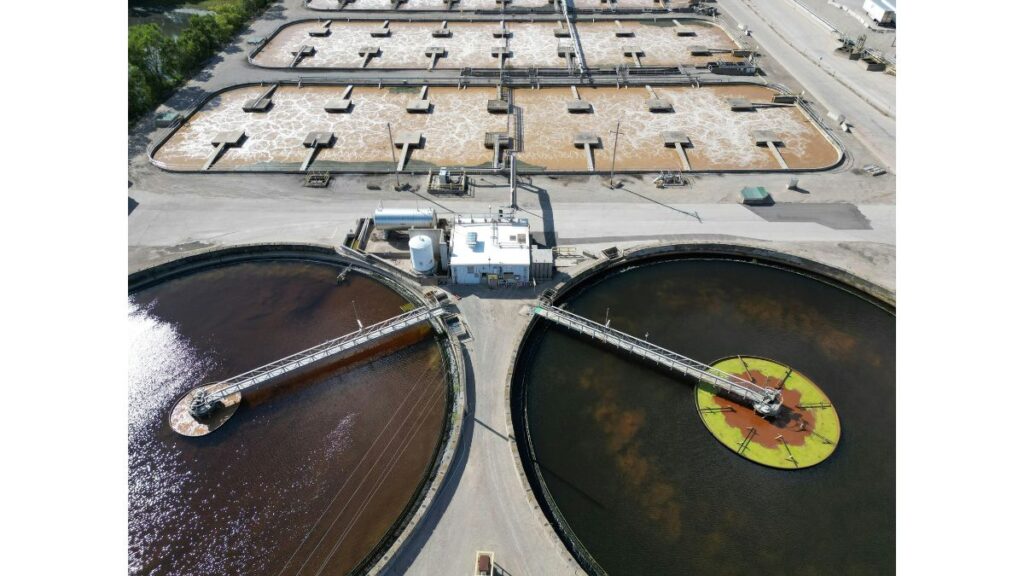
Water policy is usually ignored because, when it works, it feels like nothing at all. The tap runs. The bill gets paid. The treatment plant stays out of sight. The utility does its job. Public attention arrives only when something changes in a way people can see, taste, fear, or no longer afford.
That is the problem. Safe drinking water depends on constant maintenance, testing, treatment, investment, and oversight, but most of that work happens below the level of public attention. By the time the issue becomes politically visible, the underlying problems have often been building for years.
The United States is not dealing with a minor upkeep issue. EPA’s latest Drinking Water Infrastructure Needs Survey estimates that public water systems will need $625 billion over 20 years for pipe replacement, treatment upgrades, storage, and other core assets. At the same time, EPA’s current lead rule requires systems to identify and replace lead pipes on a national timetable and to use stricter testing and action standards.
Quick Take
| What the public notices | What was usually happening underneath |
|---|---|
| A boil-water notice | Treatment, monitoring, operations, or system stress had already become a problem |
| A lead or contamination scare | Pipe, testing, oversight, or compliance weaknesses had been building over time |
| A sharp rate increase | Deferred replacement costs finally caught up with the system |
| A utility breakdown | Capacity, staffing, maintenance, or resilience planning was weaker than it looked |
| Public panic and distrust | Confidence had already been worn down before the visible failure |
Why This Stays Out of Sight
Water governance is easy to ignore because its success looks ordinary. It shows up as:
- safe water at the tap
- pressure that feels normal
- treatment systems working in the background
- notices that never need to be issued
- infrastructure people never have to think about
That kind of success rarely feels political. It feels like baseline life.
EPA itself frames the issue this way: drinking water infrastructure is foundational, aging, and in need of repair and modernization to keep delivering clean water.
Why Crisis Gets All the Attention
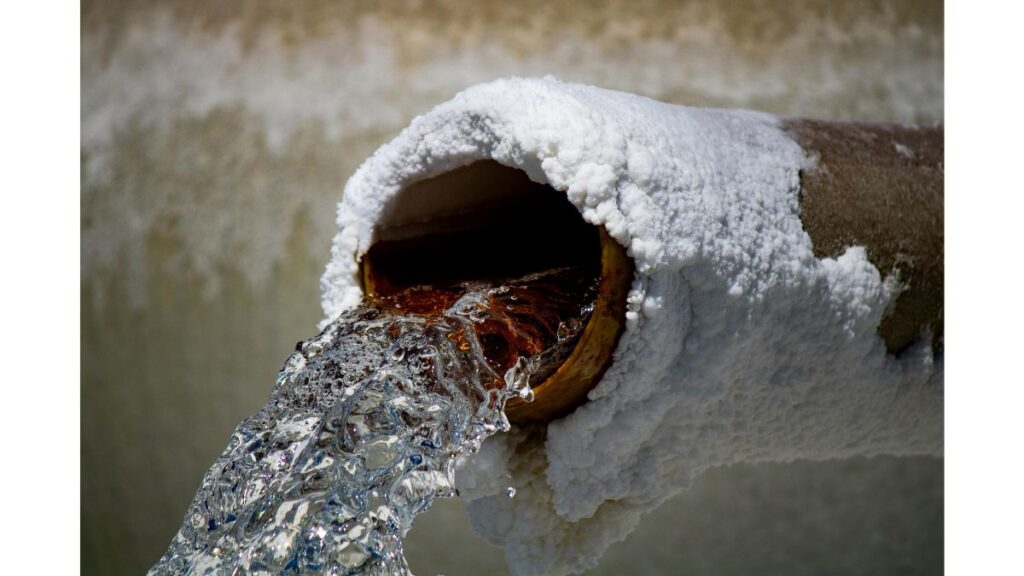
Water becomes a national story only when it turns visible. That usually means one of five things:
- Safety is questioned
A contamination event, elevated lead levels, or a major treatment failure forces the issue into public view. - Service is disrupted
When people lose access to potable water, the policy conversation becomes immediate. - Costs rise sharply
A system that looked stable suddenly becomes expensive to repair, replace, or operate. - Trust breaks
Once people believe official reassurances were late, incomplete, or misleading, the public problem becomes larger than the technical one. - Accountability gets politicized
The visible crisis becomes a blame story before it becomes a governance story.
That pattern is one reason the conversation so often starts at the point of collapse rather than at the point of prevention.
The Slow-Build Nature of Failure
Most water failures do not come out of nowhere. They build through a familiar sequence:
- old assets stay in service longer than they should
- maintenance gets deferred
- rate pressure discourages long-term investment
- replacement schedules slip
- oversight becomes reactive
- responsibility gets split across agencies and operators
- the visible failure arrives after years of smaller warnings
GAO has repeatedly described the national problem in those terms: aging and deteriorating drinking water and wastewater infrastructure needs costly upgrades, and many utilities, especially in smaller or vulnerable communities, struggle with financing and resilience.
Why Accountability Gets Blurry So Fast
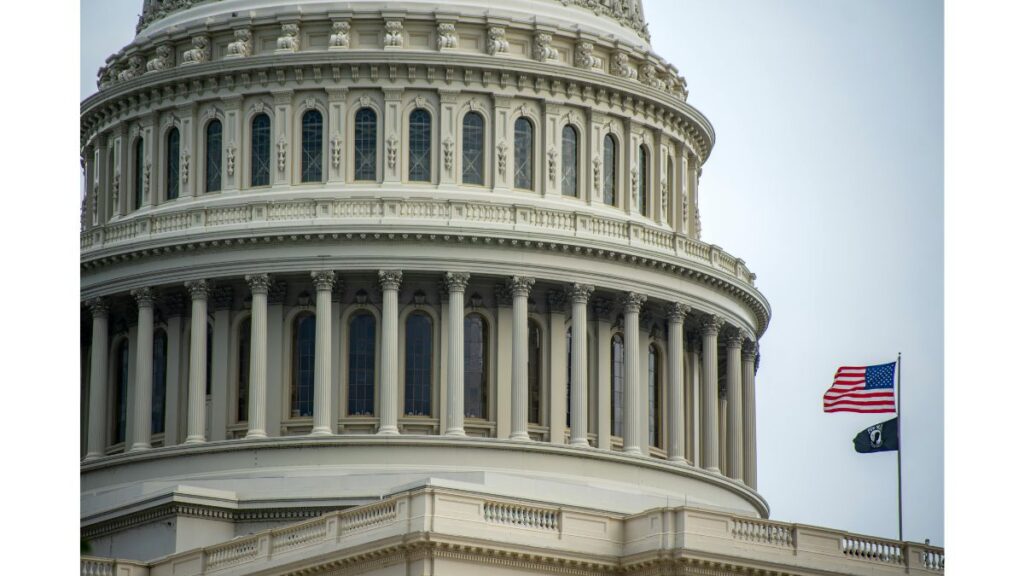
One reason this topic is difficult for the public to follow is that responsibility is usually fragmented.
A single drinking water problem can involve:
- a local utility
- a municipality or governing board
- state drinking water regulators
- federal drinking water rules
- engineering or contractor decisions
- budget choices made years earlier
- emergency management or resilience gaps
That fragmentation makes it harder for the public to understand who was supposed to prevent what. It also makes it easier for everyone involved to point to another layer of the system.
The politics of water are often less about one dramatic bad decision than about a long chain of ordinary ones that nobody treated as urgent enough at the time.
What Crisis Coverage Usually Misses
Crisis coverage is good at capturing fear. It is less good at capturing buildup.
A typical news cycle will focus on:
- the failure
- the visible harm
- the immediate official response
- who should be blamed
What gets less attention is:
- the replacement backlog behind the failure
- the financing constraints
- the regulatory or compliance structure
- the maintenance culture of the utility
- whether the system was already under stress from climate, growth, or aging assets
- whether earlier warnings were treated as routine rather than urgent
That matters because policy is easier to fix when the public understands the system, not just the scandal.
Why Public Trust Breaks So Fast
Water safety is unusually sensitive because it affects something people use every day without much thought. Once confidence in that system is shaken, it is hard to rebuild.
Trust drops quickly when:
- official messaging appears delayed
- testing standards feel confusing
- agencies disagree
- residents feel they learned the truth too late
- households have to absorb the burden of uncertainty on their own
EPA’s Lead and Copper Rule Improvements were built around this exact reality: more rigorous testing, a lower threshold for action, and a requirement to identify and replace lead service lines are all responses to the fact that the old approach was not enough to maintain public protection and confidence.
Why This Is a Policy Story Before It Is a Technical Story
It is easy to talk about water only as engineering. But the harder truth is that it is also a governance issue.
Water systems depend on:
- long-term planning
- stable financing
- credible oversight
- administrative competence
- enforceable standards
- public communication that people believe
When those parts weaken, the engineering side eventually becomes visible in the worst possible way.
That is why this topic belongs inside public affairs. A safe, boring, reliable system is not the absence of policy. It is the result of policy functioning well enough that people never have to think about it.
Better Questions to Ask
Instead of asking only, “Who failed?” it helps to ask:
| Question | Why it matters |
|---|---|
| What system was supposed to prevent this? | Identifies the governance structure behind the visible event |
| How long had warning signs been building? | Distinguishes sudden shock from long-term neglect |
| Was this a funding, maintenance, compliance, or resilience problem? | Clarifies the type of failure |
| Who actually controlled the relevant decisions? | Makes accountability less vague |
| What would competent prevention have looked like? | Moves the discussion toward reform instead of outrage |
The Bottom Line
Water policy is usually ignored until there is a crisis because success looks uneventful and failure looks personal. People do not experience safe drinking water as a policy achievement. They experience it as normal life. The politics begin only when that normality breaks.
That creates a bad public rhythm. Systems are ignored while they hold, then judged only after they fail. Maintenance looks optional until replacement becomes urgent. Oversight feels abstract until trust collapses. Prevention gets less attention than scandal.
A healthier public conversation would pay more attention to the quiet work that keeps water safe before it becomes a headline for the wrong reason.
Water policy rarely gets public attention when systems work. It becomes visible only in failure, when aging infrastructure, oversight gaps, and trust problems collide.

Leave a Reply